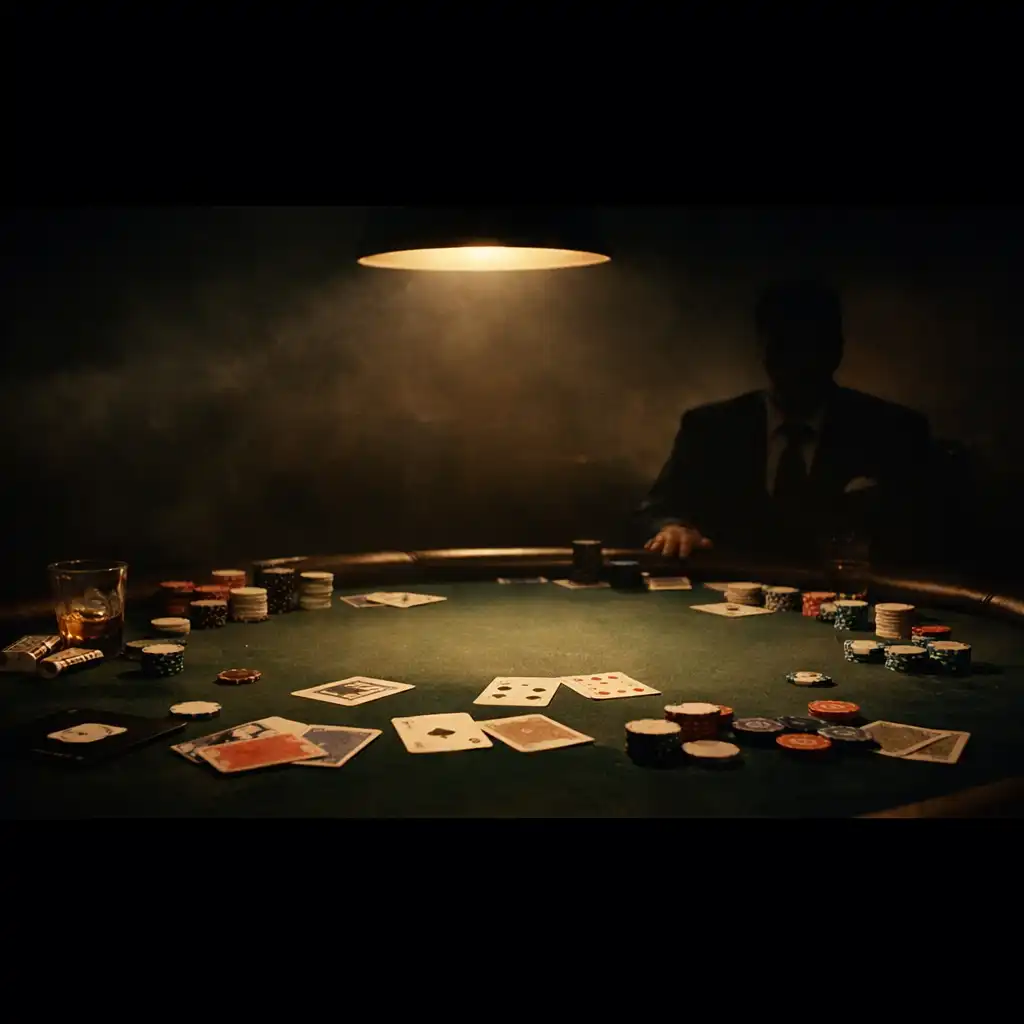
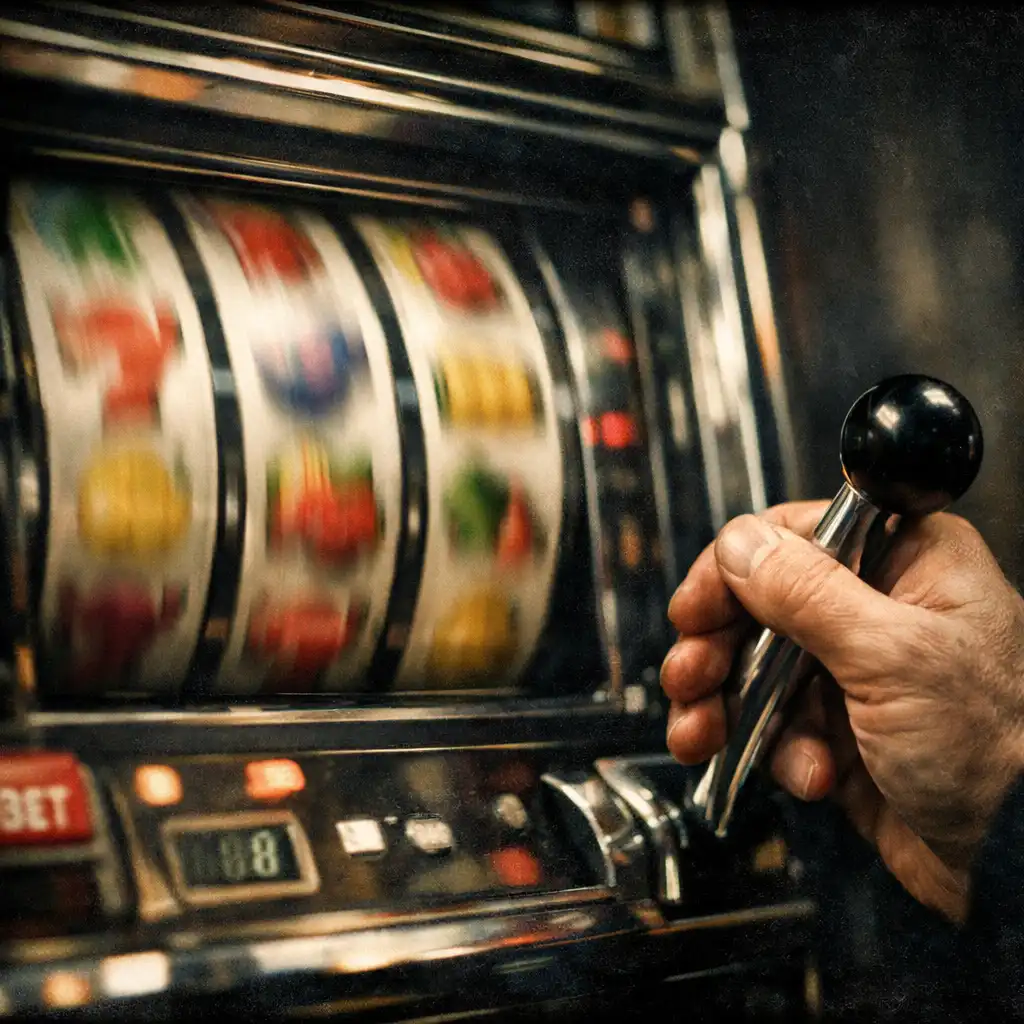
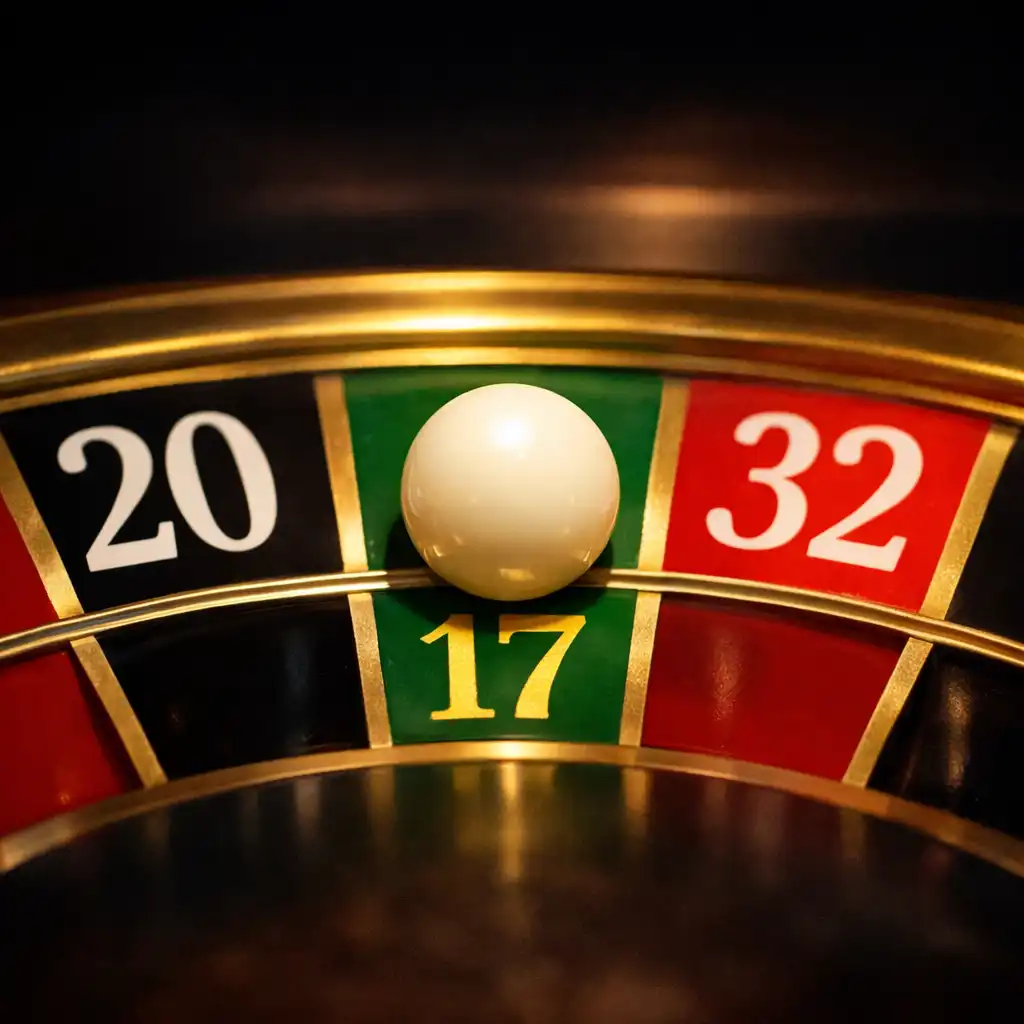
From the riverboat gamblers of the 1960s to the poker-room antiheroes of the 2000s, casino cinema keeps returning to the losing streak because it is the genre's most honest narrative engine. A winning streak can be exciting, but it rarely changes a character. A losing streak strips away luck, charm, and self-deception until only the compulsion remains. In The Gambler, Axel Freed loses not because he is unlucky but because he needs the next bet more than he needs safety. In Mississippi Grind, Gerry and Curtis keep moving south because stopping would mean admitting that the next game will not fix anything. The losing streak is not a plot device; it is a moral inventory.
“Every casino film is ultimately about the moment a character decides that one more hand is worth more than everything outside the room.”
Movie Archive Hub Editorial
What makes these films endure is their refusal to moralise. The best casino movies do not punish their gamblers with simple ruin; they show how the table becomes a place where a person can be, for a few hours, entirely legible. The rules are fixed, the odds are known, and every decision has an immediate consequence. That clarity is seductive precisely because it is absent everywhere else. The losing streak, then, is not a warning. It is a mirror.