A luxurious casino interior at night with glowing slot machines and warm chandelier light

Casino Movies

Casino Movies: High Stakes on Screen

Casino movies are a distinct cinematic genre where gambling, risk, and the allure of fortune drive narrative tension and character drama. From smoky backrooms to glittering Las Vegas floors, these films explore ambition, deception, and the human cost of chance.

The genre spans noir thrillers, heist films, character studies, and dark comedies. Iconic settings include casinos, card rooms, racetracks, and underground gambling dens. Themes often revolve around luck, skill, addiction, and moral compromise. No gambling services are offered; content is informational only.

Genre Definition

What Makes a Casino Movie?

A casino movie is any film where gambling or a casino environment is central to the plot, character motivation, or thematic core. These films use the casino as a microcosm of risk, reward, and human fallibility, often blending suspense with moral inquiry. The setting can be a glamorous resort, a seedy underground club, or a high-tech online platform. Common plot devices include heists, cons, addiction spirals, and redemption arcs. The genre often overlaps with film noir, crime drama, and psychological thriller.

Why the Genre Endures

Casino movies persist because they externalize internal conflicts: the battle between luck and skill, greed and restraint, fate and free will. The high-stakes environment creates instant drama and allows filmmakers to explore character under pressure. The visual spectacle of casinos provides rich production design opportunities. The genre allows for moral ambiguity, attracting complex antiheroes. Audiences are drawn to the vicarious thrill of risk without real consequence.


Thematic Clusters

What Kinds of Casino Movies Are There?

Heists and Cons

Films where the casino is the target of an elaborate scheme, focusing on planning, execution, and the thrill of outsmarting the house. These movies emphasize cleverness and teamwork, often with a twist ending. Examples include 'Ocean's Eleven' and 'The Sting'. Common tropes: the crew, the inside man, the double-cross.

Addiction and Downfall

Dramas that explore the destructive power of gambling addiction, portraying characters who lose everything to the compulsion. These films are often gritty, character-driven, and morally complex. Examples include 'The Gambler' and 'Owning Mahowny'. Focus on psychological depth and consequence.

The Glamour and the Grift

Movies that revel in the high-life aesthetic of casinos—luxury, fashion, and larger-than-life personalities—while often revealing the corruption beneath the surface. Examples include 'Casino Royale' and 'Molly's Game'. Balance spectacle with social commentary.

Genre Evolution

How Has the Genre Changed Over Time?

1930s–1950s

The Golden Age

Early casino films often depicted gambling as a moral failing, reflecting societal attitudes of the time. Film noir used casinos as shadowy backdrops for crime and corruption. Examples: 'The Cincinnati Kid' (1965) later refined the poker drama. Noir classics like 'Gilda' (1946) featured casino settings.

1960s–1980s

The New Hollywood Era

Filmmakers began to explore the psychological depths of gambling, with antiheroes and morally ambiguous narratives. The casino became a symbol of American excess. Examples: 'The Hustler' (1961), 'California Split' (1974). Shift toward character studies and realism.

1990s–2000s

The Blockbuster Era

Casino movies became big-budget spectacles, often blending heist elements with star power. Las Vegas emerged as a cinematic playground for high-concept entertainment. Examples: 'Casino' (1995), 'Ocean's Eleven' (2001). Emphasis on style, ensemble casts, and slick production.

2010s–Present

Contemporary Casino Cinema

Recent films have diversified the genre, incorporating online gambling, international settings, and more nuanced portrayals of addiction and recovery. Examples: 'Molly's Game' (2017), 'Uncut Gems' (2019). Blending of genres and experimental storytelling.

Cultural Impact

Why Casino Movies Matter Beyond Entertainment

Shaping the Casino Mystique

Casino movies have played a significant role in shaping the public's image of gambling, from the glamour of Monte Carlo to the grit of underground poker rooms. They have influenced fashion, language, and even casino design. The tuxedo-and-martini aesthetic of James Bond films became synonymous with high-stakes gambling. Phrases like 'the house always wins' entered common parlance. Real casinos have adopted design elements from films to attract visitors.

In the casino, the cardinal rule is to keep them playing and keep them coming back. The longer they play, the more they lose. In the end, we get it all.

Sam 'Ace' Rothstein, Casino (1995)

Essential Casino Movies

Which Casino Movies Should I Watch?

  1. 1

    Casino (1995)

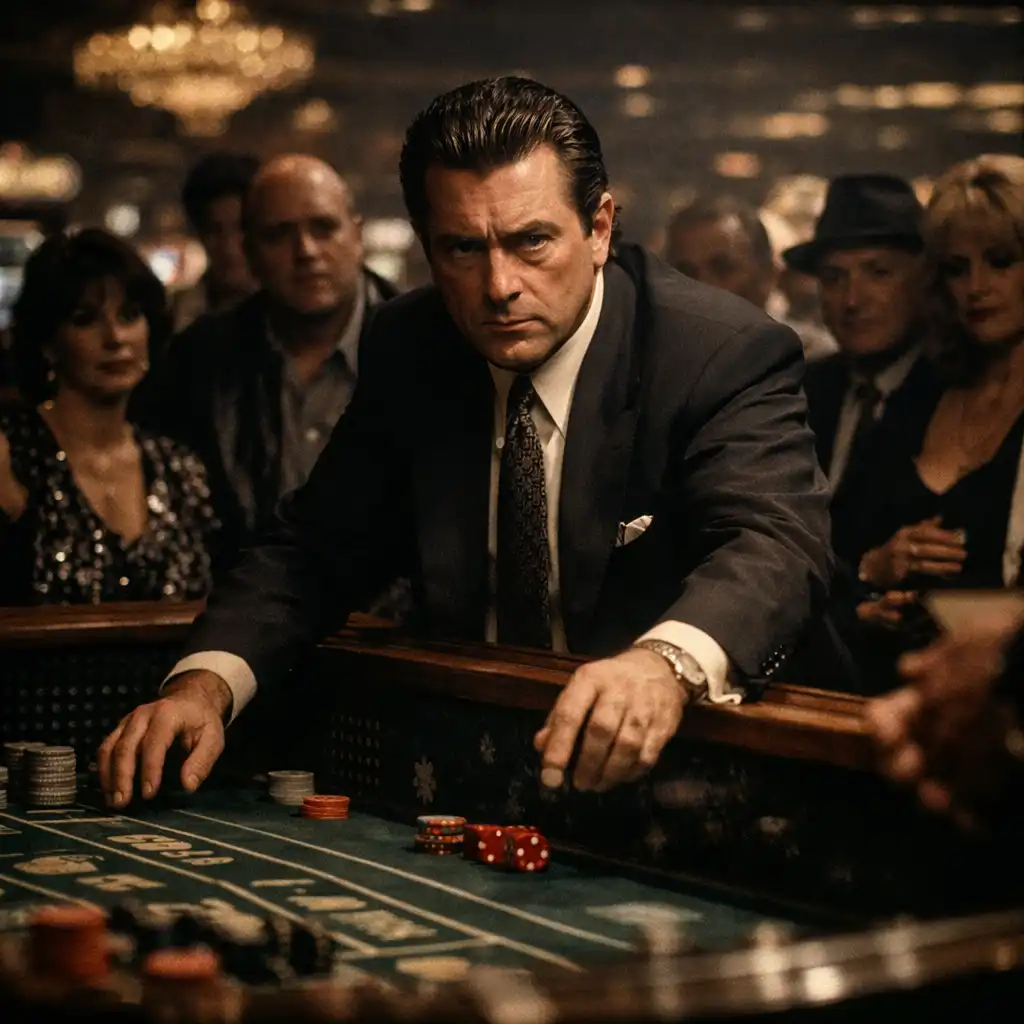
    Scorsese's epic crime drama is the gold standard of the genre, offering a sprawling, detailed look at the inner workings of a Las Vegas casino and the corruption that surrounds it. Directed by Martin Scorsese. Stars Robert De Niro, Sharon Stone, Joe Pesci.

  2. 2

    The Sting (1973)

    A classic con film set in the 1930s, featuring an elaborate scheme to take down a mob boss through a fake betting parlor. It won seven Academy Awards, including Best Picture. Stars Paul Newman and Robert Redford. Known for its twist ending and ragtime score.

  3. 3

    Rounders (1998)

    A cult favorite that delves into the underground world of high-stakes poker, following a law student who must return to the game to help a friend pay off a debt. Stars Matt Damon and Edward Norton. Credited with popularizing Texas Hold'em.

  4. 4

    Ocean's Eleven (2001)

    Steven Soderbergh's stylish heist comedy assembles an all-star cast to rob three Las Vegas casinos simultaneously, blending wit, glamour, and clever plotting. Stars George Clooney, Brad Pitt, Julia Roberts. Remake of the 1960 Rat Pack film.

  5. 5

    The Gambler (1974)

    A gritty character study of a literature professor with a crippling gambling addiction, starring James Caan in one of his most intense performances. Directed by Karel Reisz. Based on a screenplay by James Toback.